



Formulation benefits
*according to ISO TS19657
Yeast extract ingredients for taste improvement
As consumers consider many new factors when purchasing food, the importance of taste remains intact. Compromising on taste is hardly an option. When it comes to taste improvement, the food and beverage industry has many challenges to meet customer expectations while maintaining an appetizing taste.
Taste and flavors are the result of what our tongue and nose perceive when we eat or drink. Both send information to our brain, which will analyze the data, helping us to characterize tastes and flavors of the foods we are eating.
There are five basic tastes known: saltiness, sweetness, bitterness, sourness, and umami. Each one is linked to one reference molecule. The first four are well-known and have been described for centuries. Umami taste was discovered in 1908 by a Japanese researcher while tasting dashi broth, a traditional broth made from Kombu seaweed. It was only scientifically recognized as the fifth basic taste in the 1980’s. Umami literally translates “savory taste” from Japanese and refers to a lingering taste that stimulates salivation.
A new taste concept has been recently discovered in the field: kokumi. It refers to the attributes of slow cooking or home-made cuisine. “Richness”, “mouth fullness” and “smoothness” are commonly used to describe the kokumi sensation.

Taste and flavors are complex to describe and require specific expertise to improve. Experts have divided taste into three building blocks:
- Flavor bases serve as the foundation for the taste profile
- Specific flavor notes characterize the recipe
- Top notes consist of sharp aromas that come initially when tasting and dissipate quickly.
Umami and kokumi bring out all the other flavors and highlight the overall profile.
Improve taste in food with Biospringer’s yeast extract
Due to its natural complex composition, yeast extract is a great tool to build complete taste profiles, by bringing out flavor notes. It is also used to reduce and remove specific ingredients for clean label or nutritional purposes.
Our culinary and sensory experts are dedicated to help solve your needs and select the right ingredients and dosages, guided by their strong understanding of taste improvement.

Our wide range of yeast-based solutions will allow you to:
- Reveal taste: our Springer® Reveal yeast extract range serve as flavor bases to offer taste intensifying properties due to their naturally rich components.
- Provide richness: due to the natural nucleotide content, our Springer® Umami range provides umami taste. It increases the overall flavor impact and creates a well-rounded effect. It is also very useful for other benefits such as salt reduction or masking off-note.
- Increase smoothness with Springer® Cocoon, by providing a deep full-flavored and mouthfeel to your food applications.
- Bring a signature taste: our Springer® Signature line delivers specific flavor notes with various aromatic profiles, from meaty to vegetable or even cheesy notes.
Create Flavorful Foods with yeast ingredients
Contact our experts to explore how we can support your product development needs.

Yeast extract ingredients for fat reduction
Fat reduction impacting taste and texture. Lipids are essential components of a living cell. However, a high fat intake can lead to obesity and increase the risk of heart diseases. Food manufacturers are encouraged to reformulate processed foods to reduce fat content.
Fat components play an important role in building balanced taste profiles and appealing textures. The reduction of fat can result in a loss of taste and texture.
Bring back taste and texture in low-fat foods with Biospringer’s yeast extract
To bring back a long-lasting roundness sensation in reduced-fat food, Biospringer offers a range of yeast extracts that show real benefits, in terms of flavor and creaminess improvement. Yeast extract compensates for the reduced flavor sensations in various foods: dairy products, sweet products, sauces & dressings and more.
Springer® Cocoon range provides body and richness to a 30% low-fat granola, and maintains the freshness and creaminess of a low-fat cream cheese.
The Biospringer Culinary Center has demonstrated a reduction of fat by 30% using Biospringer yeastbased ingredients while maintaining appetizing organoleptic profiles.


Yeast extract ingredients for sugar reduction
The increase of excess weight and obesity has raised awareness among policy makers and consumers worldwide about the dangers of sugar. However, consumers are accustomed to sweetness. Food manufacturers have a great challenge to overcome: delivering sweetness while reducing the sugar content. Food manufacturers must rethink their formulas to deliver a satisfying taste while reducing sugar in foods and beverages.
Develop flavorful reduced-sugar foods with Biospringer’s yeast extract
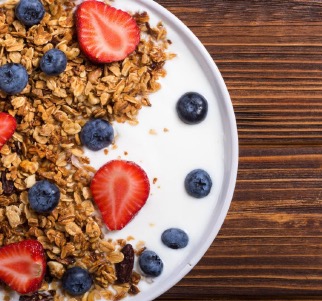
Biospringer’s Culinary Center’s expertise in food formulation and yeast extracts can support the development of reduced-sugar foods, up to 30 %, without compromising on taste.
Biospringer ranges offer various benefits that intensify sweetness or allow sugar reduction by bringing specific flavor notes. Yeast extract contributes to sugar reduction in many food applications such as sauces & dressings, dairy products, sweet products and more.
- Springer® Umami will bring an umami and roundness sensation, while Springer ® Reveal will intensify the sweetness, allowing a sugar reduction of 20% in tomato sauce.
- In chocolate cookies, Springer® Signature range brings specific cacao and roasted flavors notes, leading to a sugar reduction of 30%.
The Biospringer Culinary Centers can help you find the right combination of ingredients that will deliver a sweetness sensation and bring taste specificity for a well-balanced product.

Yeast extract ingredients for masking off-notes
Off-note masking requires a strong expertise in formulation mastered by the Biospringer Culinary Center. Masking solutions can differ based on the nature of the offnote and the finished product.
Develop flavorful foods with no off-notes with Biospringer’s yeast extract
There are two types of masking that can be combined for more efficiency:
- Functional masking prevents the detection of unwanted notes. The effect is driven by the addition of an ingredient that will either intensify a flavor which is already present or prevent the identification of the molecule responsible for the off-note.
- Aromatic masking consists in covering the unpleasant note with a new aromatic component that will modify the overall taste profile and make it more pleasant.
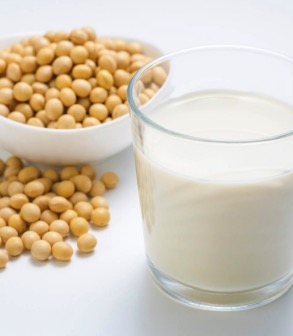
Our Springer® Mask range is efficient in masking and blocking off-notes to deliver a clean taste experience.
Create Flavorful Foods with yeast ingredients
Contact our experts to explore how we can support your product development needs.